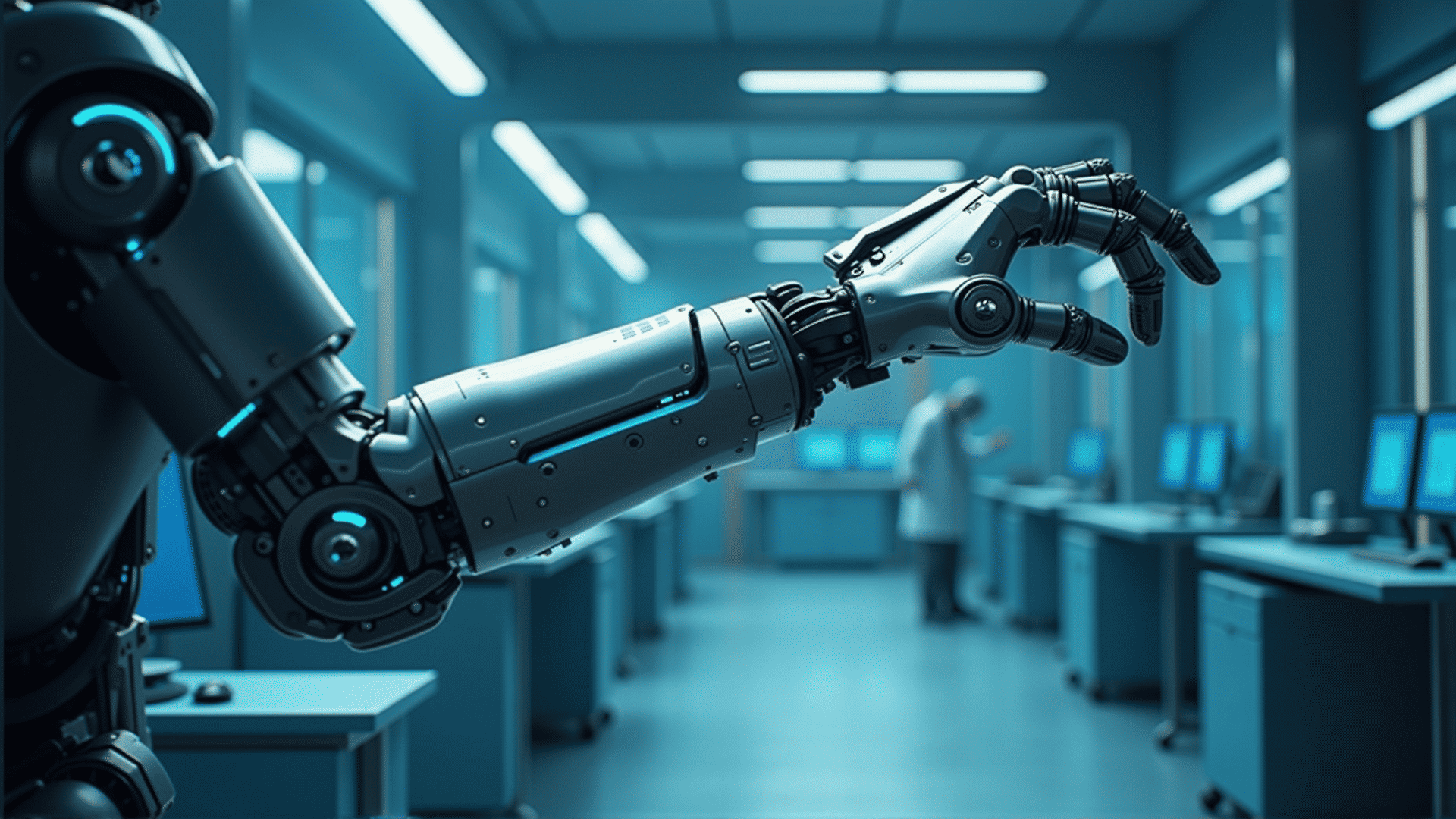
The landscape of robotics is undergoing a remarkable transformation, thanks to the infusion of artificial intelligence (AI) technologies. AI-powered robotics are revolutionizing various sectors by enabling machines to learn, adapt, and perform tasks with unprecedented sophistication. This innovation is not just a leap in technology but a paradigm shift in how machines interface with the world, operate autonomously, and increase efficiency across industries.
One of the key areas where AI enhances robotics is in machine learning. Traditional robots operate using pre-programmed instructions which limit their flexibility and adaptability. In contrast, AI-powered robots can use deep learning algorithms to interpret data and learn from their experiences. This allows them to optimize their performance over time and adapt to new situations without human intervention. For instance, in manufacturing, AI-enabled robots can identify inefficiencies in their tasks and adjust their processes to improve productivity. This significantly reduces downtime and increases throughput.
Natural language processing (NLP) has further enriched human-robot interactions. AI-powered robots can now interpret, process, and respond to human language with remarkable accuracy. This capability is opening up new possibilities in customer service and caregiving, where robots can engage in meaningful dialogue and assist users based on their preferences and emotions. This advancement not only improves customer experience but also allows human workers to focus on more complex tasks.
Moreover, computer vision, a crucial subset of AI, has enabled robots to perceive and understand the physical world in a manner akin to human sight. Leveraging cameras and sensors coupled with machine learning, robots can detect and categorize objects, recognize faces, and navigate environments dynamically. This is particularly transformative in industries like autonomous driving and drone technology, where identifying and reacting to various stimuli in real-time is essential for efficiency and safety.
The agricultural sector is also reaping the benefits of AI-enhanced robotics. Robots equipped with AI can monitor fields in real time, assess crop health, and automate the harvesting process. By analyzing soil conditions, weather patterns, and plant imagery, these robots can make informed decisions that minimize resource usage and increase yield. This is crucial for addressing food security challenges and promoting sustainable farming practices in an ever-growing world population.
Healthcare is another frontier where AI and robotics interplay magnificently. Surgical robots, dictated by AI algorithms, offer unparalleled precision, reducing the likelihood of human error in delicate procedures. AI-driven robots also assist in diagnosis through sophisticated image analysis, enabling them to detect abnormalities in scans and images with great accuracy. This support helps healthcare professionals implement timely and effective treatment plans.
However, the integration of AI into robotics also presents challenges and considerations, particularly around ethical considerations and employment. As robots become more autonomous and capable, addressing ethical questions about decision-making, privacy, and the replacement of human jobs is paramount. It’s essential for developers, policymakers, and society to engage in discussions to ensure AI-powered robotics are developed and deployed in a manner that aligns with human values and societal needs.
In conclusion, AI-powered robotics is propelling the field toward unprecedented capabilities, enhancing adaptability, efficiency, and interaction. They are transforming diverse sectors by providing machines with the ability to learn from their environment and make intelligent decisions. As these technologies continue to evolve, they promise to deliver profound benefits and innovations, marking an exciting era of opportunity and challenge. The future of robotics, fueled by the power of AI, holds the potential to reshape our world in ways we are only beginning to imagine.