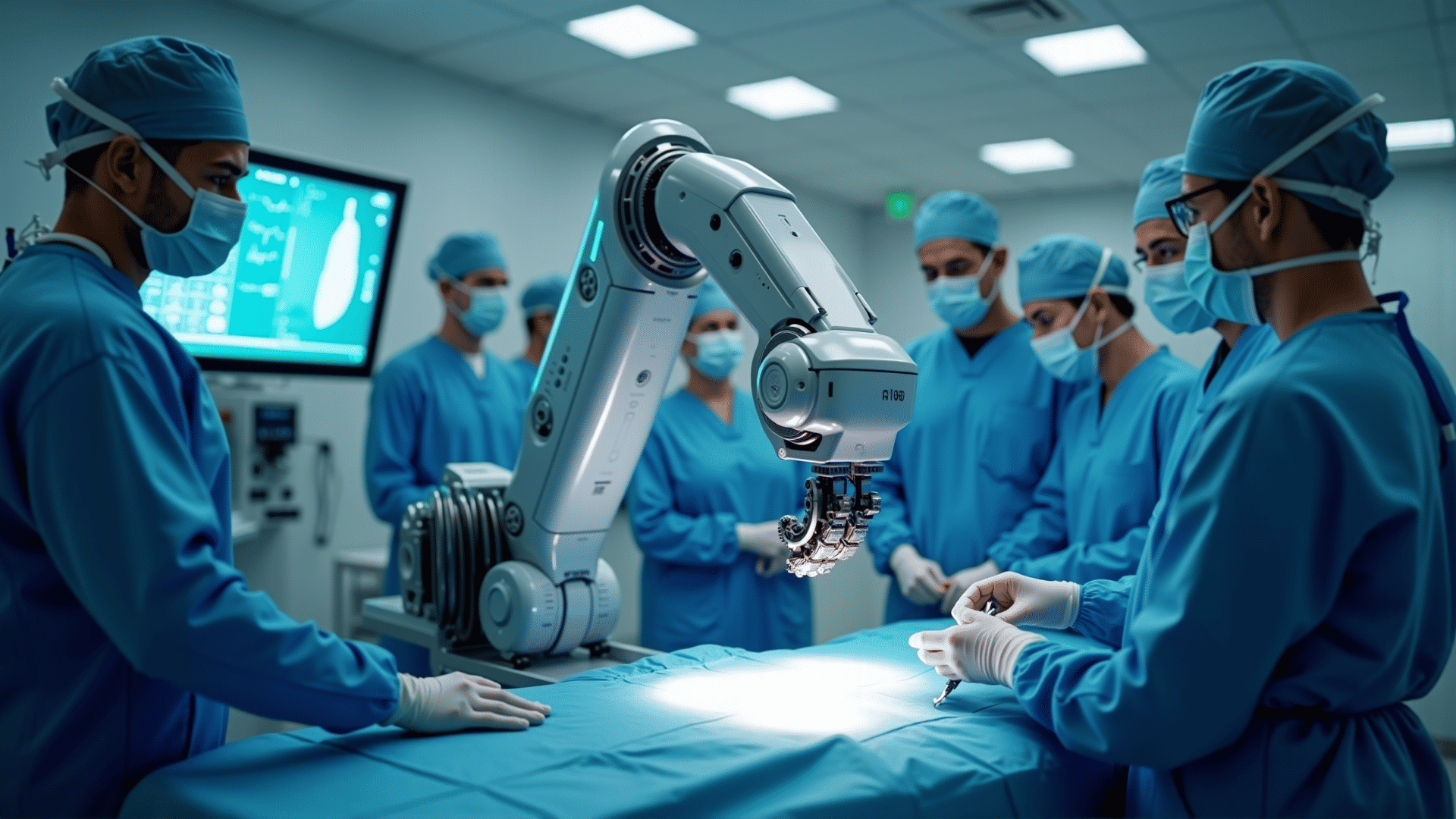
The integration of robotics into healthcare marks a revolutionary step in modern medicine, fundamentally changing the landscape of patient care and medical procedures. This technological leap is characterized by the adoption of surgical robots, AI-driven diagnostics, and automated healthcare systems. These innovations are not only enhancing the precision and effectiveness of treatments but are also reshaping how we view and deliver healthcare services.
Surgical robots have been at the forefront of this transformation. They provide surgeons with unparalleled precision and control, allowing for minimally invasive procedures that result in smaller incisions, reduced pain, and faster recovery times for patients. Systems such as the da Vinci Surgical System have already become staples in operating rooms worldwide, assisting in complex surgeries ranging from cardiac to urologic and gynecologic procedures. By replicating a surgeon's hand movements in real-time, these robots enhance surgical dexterity and reduce human error.
Beyond the operating room, robotics in healthcare encompasses diagnostic advancements powered by artificial intelligence. AI-driven diagnostic tools are capable of analyzing medical data, from imaging to pathology slides, with incredible speed and accuracy. These systems assist healthcare professionals by providing second opinions, predicting disease risks, and even suggesting treatment options. For example, AI algorithms trained on thousands of mammograms can now detect breast cancer at earlier stages than traditional methods, leading to improved patient outcomes.
Another significant impact of robotics is observable in rehabilitative and assistive technologies. Robots assist patients with mobility issues or those recovering from surgeries through physiotherapy robots and exoskeletons. These devices provide support and encouragement during rehabilitation exercises, often leading to improved recovery rates. Additionally, robotic companions and care assistants are being employed to support elderly or disabled individuals, promoting independence and enhancing their quality of life.
The adoption of robotic systems in healthcare raises important discussions around ethics and job displacement. While robotics promises increased efficiency and safety, concerns about patient privacy, data security, and the potential reduction of human empathy in patient interactions must be addressed. Moreover, as robots take on more roles traditionally filled by humans, there is a pressing need for workforce adaptation and the development of new skill sets among healthcare professionals.
Despite these challenges, the future of robotics in healthcare looks promising. Continuous innovations are poised to further streamline medical processes, making healthcare more accessible and personalized. As research and development in this field progress, it's expected that robots will not only assist but also collaborate with medical professionals in new and increasingly complex ways.
In conclusion, robotics is transforming healthcare into a more precise, efficient, and patient-centered field. By marrying human expertise with robotic precision, the medical community is forging a new path forward, leading to enhanced patient care and groundbreaking advancements in medicine. While challenges remain, the ongoing evolution of robotics in healthcare holds immense potential for improving lives around the globe.