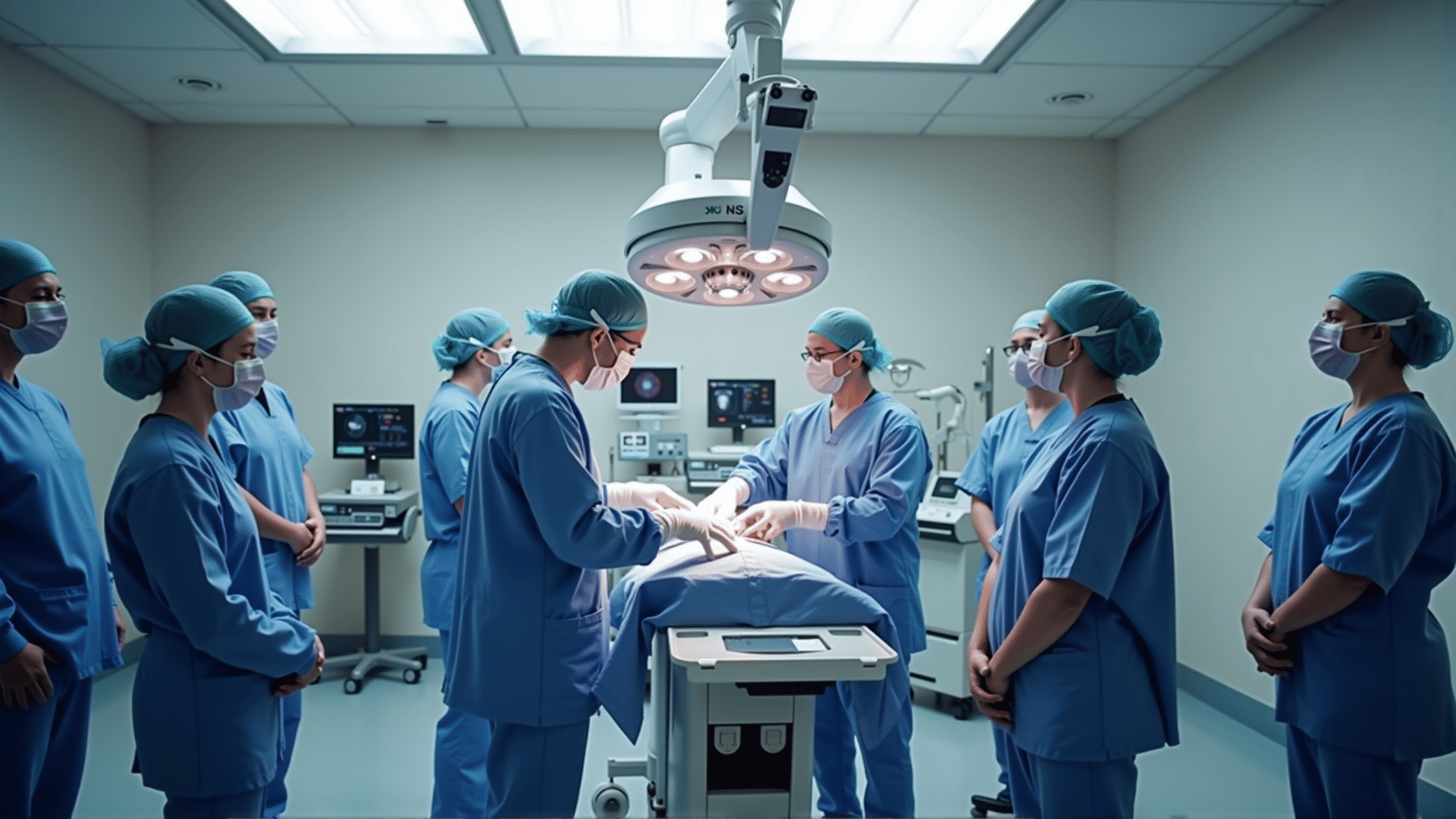
In recent years, the healthcare industry has witnessed transformative changes driven by the integration of robotics technology. From surgical procedures to patient care management, robotics is redefining medical practices, enhancing precision, and improving patient outcomes. This intersection of advanced technology and healthcare has opened new avenues in medical treatment, promising a future where medical interventions are safer, more efficient, and increasingly personalized.
One of the most significant contributions of robotics to healthcare is in the realm of surgery. Robotic-assisted surgery combines precision and flexibility, enabling surgeons to perform complex procedures that would be challenging or impossible with traditional techniques. Systems like the da Vinci Surgical System allow surgeons to operate with enhanced dexterity, precision, and control. These systems provide high-definition, 3D views of the surgical site, which are crucial in intricate procedures such as heart valve repair, prostatectomy, and various cancer surgeries. This not only leads to smaller incisions and minimal scarring but also reduces recovery time and risk of infection for patients.
Beyond the operating room, robotics plays a vital role in rehabilitative and supportive care. Rehabilitation robots assist patients recovering from strokes or injuries, offering guided exercises that improve mobility and physical strength. These robotic devices can be tailored to match the individual needs of a patient, ensuring personalized therapy sessions that adapt to the patient's progress over time. This personalized approach can accelerate recovery, offering patients a greater chance of regaining their independence.
Moreover, in the domain of patient care, robots are increasingly being utilized to provide assistance that promotes patient comfort and compliance. For example, robotic nurse assistants can manage routine tasks like transporting supplies, delivering medications, or taking patient vitals, thus allowing human nurses to focus on more critical tasks that require their expertise and empathy. In elder care, social robots offer companionship and remind patients to take medications, exercise, or follow daily routines—an invaluable help in managing the chronic conditions often associated with aging.
Telepresence robots represent another revolutionary facet of healthcare robotics, bridging geographical distances for patients in remote areas. These robots facilitate virtual presence, enabling doctors to consult, diagnose, and even instruct treatments without needing to be physically present. This has proven particularly invaluable in the wake of global events like the COVID-19 pandemic, where minimizing physical contact was crucial.
The integration of artificial intelligence with robotics also holds potential for profound advancements, offering possibilities such as predictive analytics for diagnosis and automated health assessments. AI-driven robots can process vast amounts of medical data, identifying patterns and insights that contribute to preventive healthcare strategies and optimized treatment plans.
While the benefits of robotics in healthcare are extensive, challenges remain. Issues such as high costs, the need for extensive training and upskilling healthcare professionals, and ethical considerations regarding patient data privacy demand attention. Nevertheless, as technology continues to evolve, these challenges are met with innovative solutions, ensuring that robotic technology becomes increasingly accessible and integrated into everyday healthcare practices.
In conclusion, the impact of robotics in medicine is monumental, promising a future where healthcare is more precise, efficient, and accessible. As we continue to explore and innovate, the potential for robotics to improve and save lives grows, heralding a new era in medicine wherein technology and human expertise work hand in hand for the betterment of patient care globally.